4:48:13 PM | 8/8/2025

As Vietnam increasingly asserts its position as a global manufacturing and trade hub, expanding into promising markets beyond traditional regions is becoming a strategic necessity. Africa—with its youthful population, rapid urbanization, and abundant economic potential—is emerging as a compelling new growth frontier for Vietnamese businesses.
Vietnam has successfully demonstrated an export-led growth model, particularly in sectors such as textiles and garments, agro-processing, and mechanical engineering. However, amidst global supply chain disruptions, diversifying markets and expanding overseas production bases is critical to sustaining long-term growth.
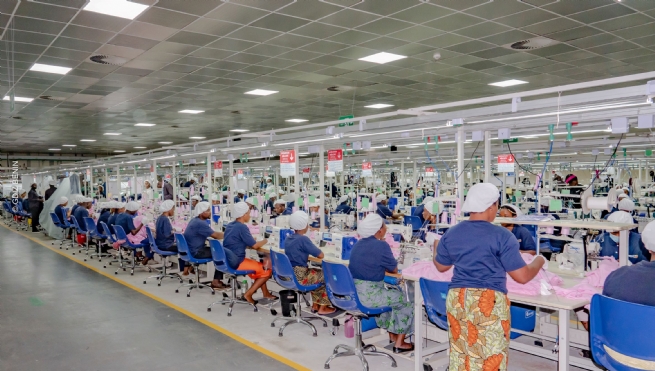
Africa stands out as an ideal destination for Vietnamese enterprises thanks to several strategic advantages. The African Growth and Opportunity Act (AGOA) allows duty-free exports to the United States, while the Economic Partnership Agreements (EPAs) provide similar access to the European Union. In addition, the African Continental Free Trade Area (AfCFTA) opens access to 54 countries and over 1.4 billion consumers. By investing in Africa, Vietnamese businesses can reduce logistics costs and tariffs, while strategically leveraging Africa’s location to serve three major markets—the US, EU, and Africa itself—from a single production base.
Africa is not only a large consumer market but also a resource-rich region with growing demand for value-added processing. This creates opportunities for Vietnamese companies to integrate into regional value chains across various sectors.
In wood processing, particularly in West Africa, several countries have implemented bans on raw timber exports to promote domestic value addition. Vietnam’s wood industry can capitalize on this by investing in specialized industrial zones that offer certified timber sources and ready infrastructure for processing.
In agro-processing, countries like Benin and Togo are experiencing a boom in the food economy, which is expected to reach USD 1 trillion. Key Vietnamese products such as rice, seafood, beverages, and processed foods can be locally manufactured to meet rapidly rising domestic demand.
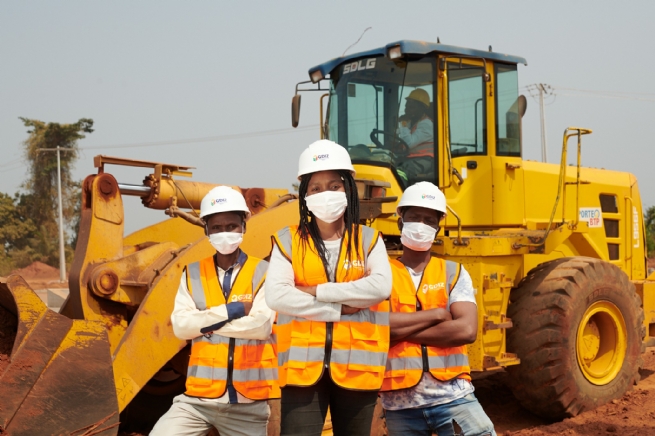
Africa’s urbanization rate is the fastest in the world, leading to strong demand for building materials and fast-moving consumer goods (FMCG). Products such as cement, bricks, sanitary ware, personal care, and hygiene items—all of which Vietnam has competitive strengths in—are in high demand.
In the pharmaceutical and packaging sectors, over 70% of current supply is still imported. This offers high-potential opportunities for Vietnamese enterprises with modern production capabilities, especially through joint ventures and technology transfer models.
Entering a new market often comes with challenges—from understanding local legal frameworks and navigating administrative procedures to managing infrastructure and logistics constraints.
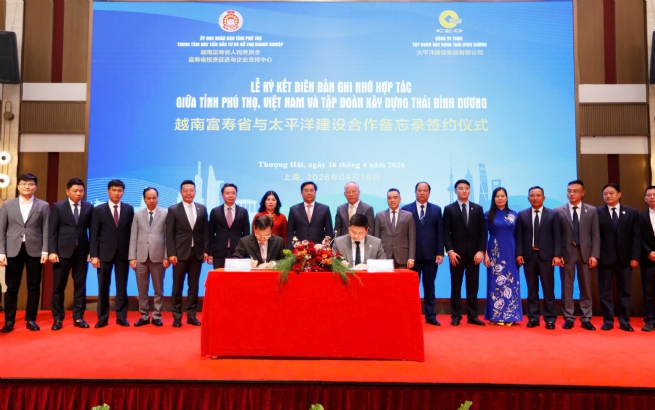
To help investors overcome these barriers, ARISE Integrated Industrial Platforms (ARISE IIP), a leading developer of industrial zones in Africa, provides a comprehensive solution enabling Vietnamese businesses to enter the market quickly, strategically, and with reduced risk.
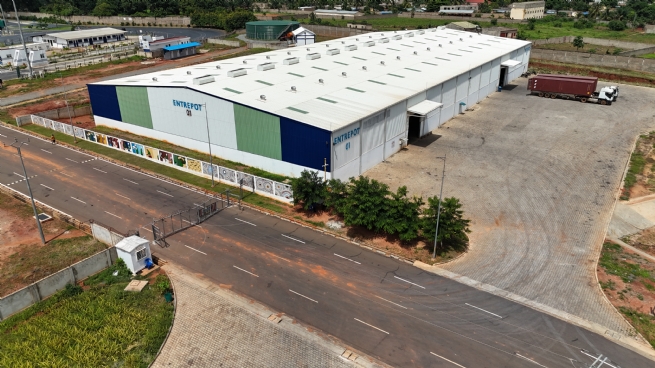
ARISE IIP offers ready-built factories and industrial parks, one-stop-shop investment facilitation services, integrated customs and logistics support, and exceptional tax incentives. Its infrastructure is built to international standards and aligns with ESG principles, making it attractive for sustainable investment.
Moreover, ARISE IIP’s industrial zones are strategically located near seaports, railways, and airports, optimizing supply chains and facilitating cross-border trade.
Currently, ARISE IIP operates several successful industrial zones across Africa. The Glo-Djigbé Industrial Zone (GDIZ) in Benin has attracted international food processing factories, while the Plateforme Industrielle d’Adétikopé (PIA) in Togo is thriving in pharmaceuticals, textiles, and packaging sectors.
These examples highlight how the integrated industrial zone model is not only viable and effective but also fully prepared for Vietnamese enterprises seeking to tap into Africa’s low-cost manufacturing, high-potential markets, abundant raw materials, and strong support systems.
ARISE IIP is committed to partnering with Vietnamese enterprises to unlock a new chapter of sustainable, efficient, and breakthrough development in Africa.
By Vietnam Business Forum





 Vietnamese