


Amid heightened volatility in the global economy, as export opportunities are no longer as easily tapped as before, the domestic market is increasingly seen as a key growth driver.

In response to urgent government direction to strengthen control of the fuel market, Vietnam’s customs forces have been implementing coordinated patrol and monitoring measures at border gates and seaports, enabling timely detection and prevention of smuggling and trade fraud, helping stabilize supply and maintain market discipline.
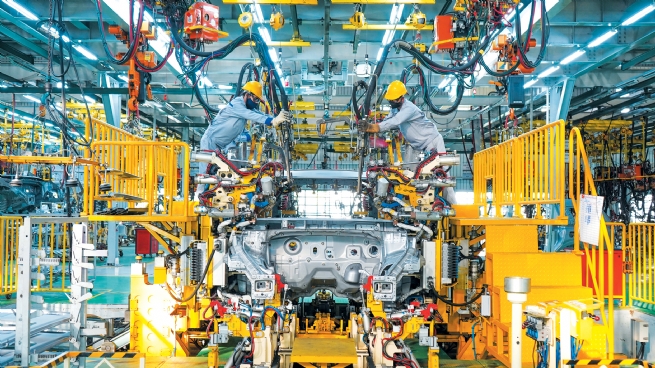
As part of the roadmap to make Vietnam an industrialized country with upper-middle income by 2030, and later a high-income developed economy by 2045, the Vietnamese business community as a whole, and the supporting industries sector in particular, is expected to take a leading role in production and business activities.
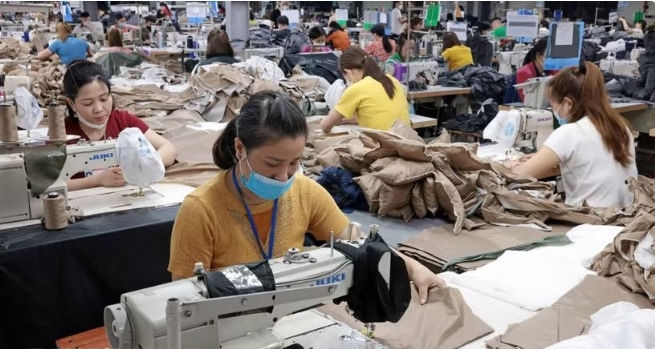
By late April, C&D Import-Export Co., Ltd., a wood and plywood exporter, had secured orders through the end of Q2. According to C&D Chairman Nguyen Tran Luat, contracts for Q3 are still being negotiated on a monthly basis rather than long-term deals. However, contrary to earlier concerns, order volumes in Q2 have risen sharply as buyers stockpile amid fears of prolonged geopolitical tensions, oil price volatility and shipping disruptions.

The International Conference on “Digital Economy in the Era of Artificial Intelligence”, organized by Hanoi Open University on April 21, 2026, in Hanoi, brought together leading scholars, policymakers, and practitioners to discuss the institutional reforms, innovation, and human capital strategies needed for a more resilient, inclusive, and sustainable digital future.
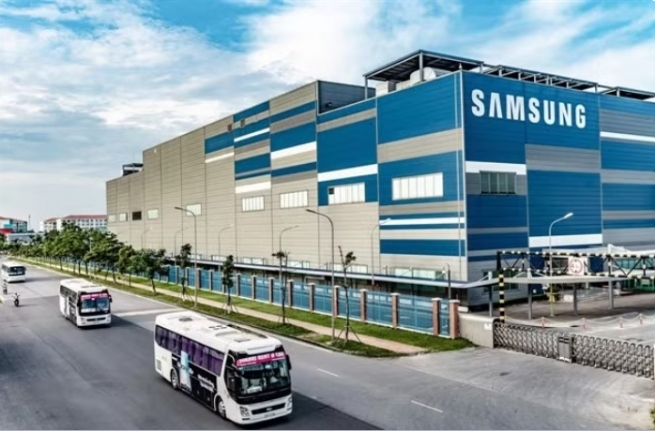
With favourable factors emerging, the FDI capital flow into Vietnam this year is expected to increase by approximately 1-2 billion USD compared to 2025, reaching up to 29 billion USD.

Vietnam’s e-commerce sector is growing at one of the fastest rates in Southeast Asia, but many businesses are losing customers at the final step of the transaction: the checkout.
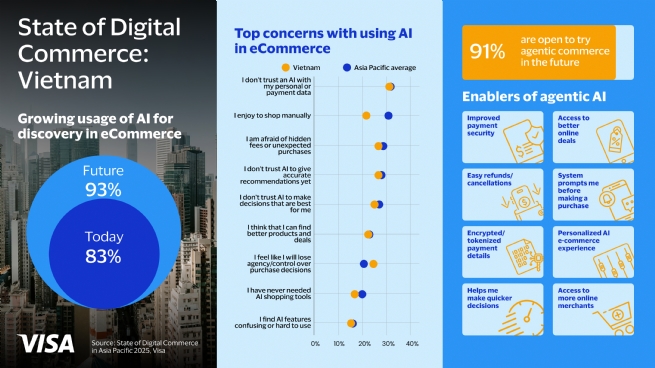
According to “State of Digital Commerce in Asia Pacific 2025”, a YouGov study commissioned by Visa (NYSE: V), a global leader in digital payments, 76% of Vietnamese consumers now shop online two to three times a month – a striking 19-point surge from 2024.
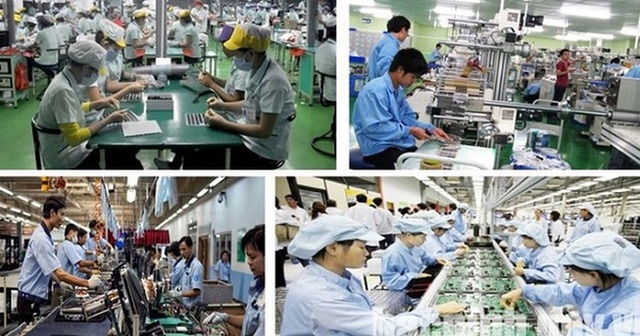
The Prime Minister has approved a program to develop 1,000 pioneering enterprises in the 2026–2030 period.

The Government has issued Resolution No. 86/NQ-CP promulgating the national strategy on innovative startups.
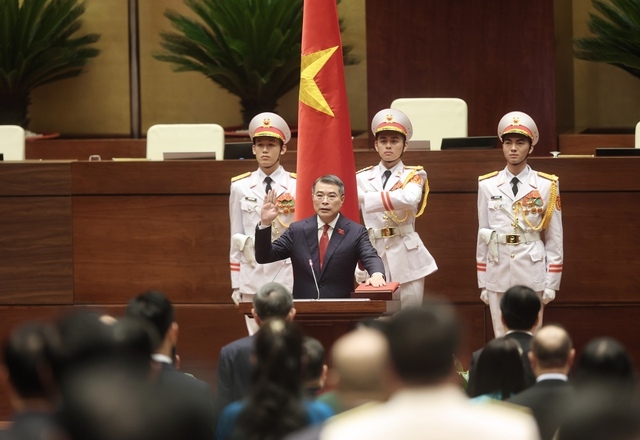
Chairman of the Central Organization Commission Le Minh Hung was unanimously elected as new Prime Minister of Viet Nam on Tuesday at the first session of the 16th National Assembly.


 Vietnamese






