

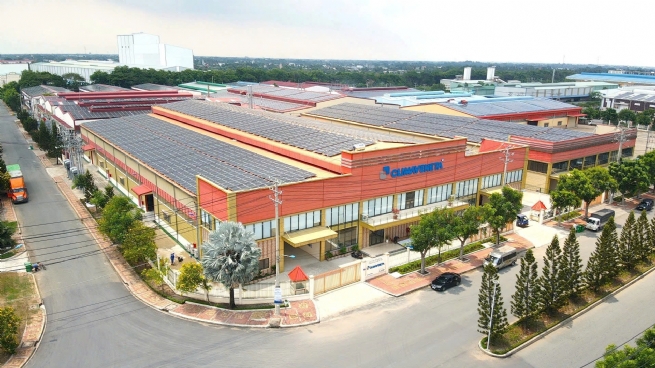
Amid the ongoing restructuring of global supply chains, Vietnam has continued to affirm its position as a strategic destination for industrial and manufacturing investment.
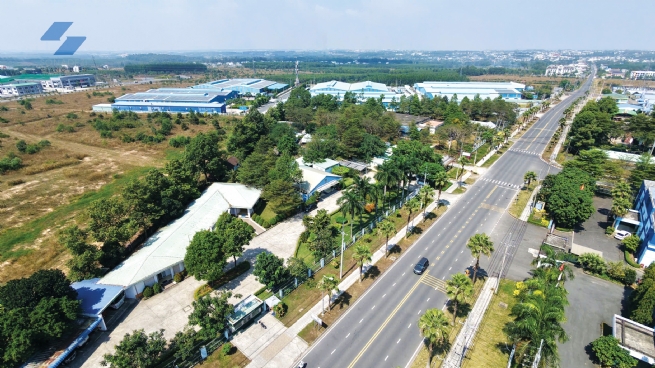
Amid intensifying competition to attract investment, industrial parks are no longer limited to providing production land but are moving into a phase of repositioning with higher standards for quality, technology, and sustainable development.
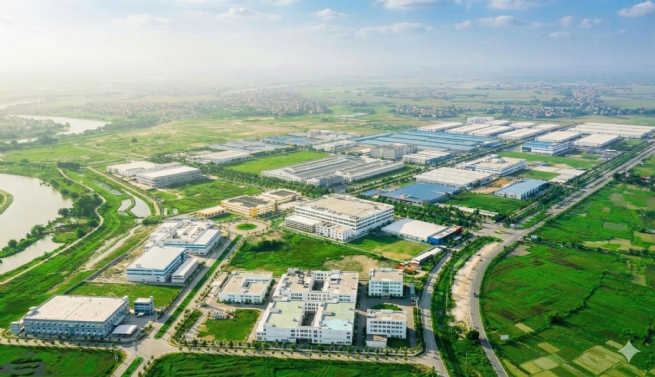
With a total planned area of 515 ha, Hoa Phu Industrial Park has become one of the most dynamic industrial production centers in Bac Ninh Province. Thanks to its strategic location, well-developed infrastructure, and strong growth potential, the park continues to attract increasing interest from both domestic and international investors.
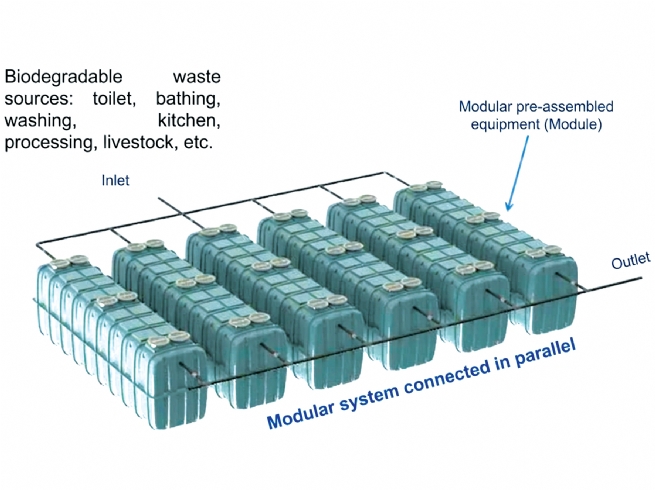
In the context of Vietnam emerging as a key destination for international investment flows, requirements for environmental infrastructure—particularly wastewater treatment—are becoming increasingly stringent.
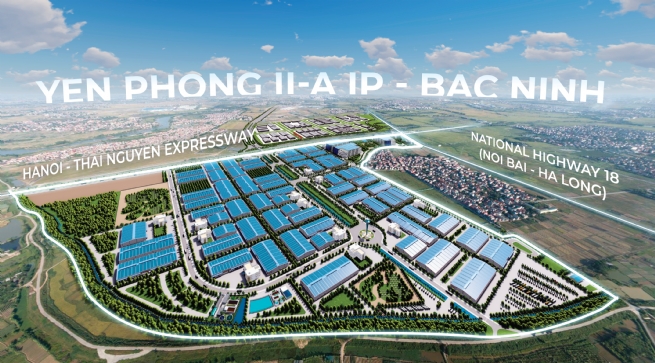
Amid ongoing geopolitical uncertainties and rising logistics costs, businesses are under increasing pressure to optimize operations and maintain cost efficiency as they expand production. This has paved the way for the Logistics Industrial Cluster (LIC) model to emerge as a powerful competitive advantage for investors in Vietnam.
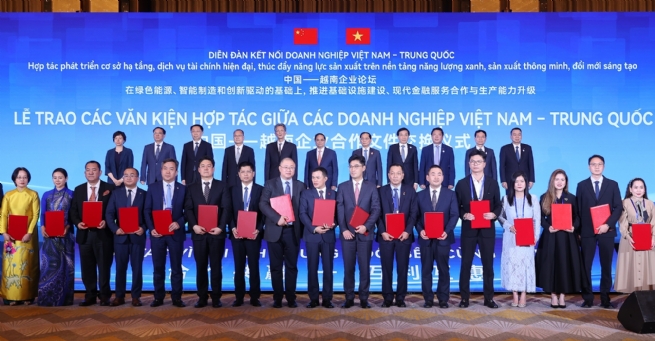
Amid an increasingly strong wave of global supply chain relocation, Vietnam has rapidly established itself as one of Asia’s most attractive manufacturing hubs.
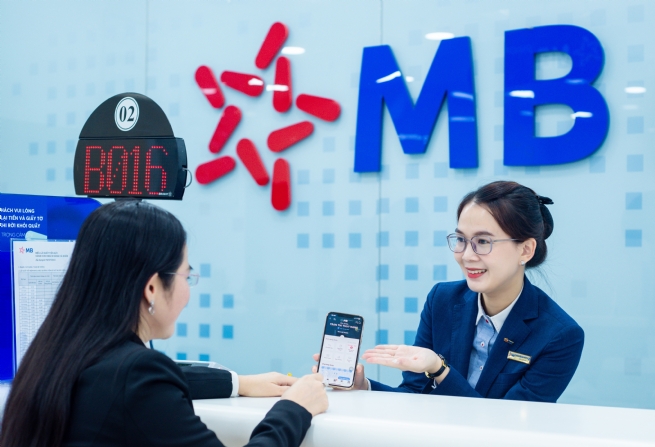
With total assets exceeding VND1.1 quadrillion (about US$45.8 billion), profit nearing VND29 trillion (about US$1.2 billion), more than 30 million customers, and 6.2 billion digital transactions each year, Military Commercial Joint Stock Bank (MB) is building a new growth model based on technology platforms, strong risk governance, and a multi-layered financial ecosystem, instead of relying on traditional credit.
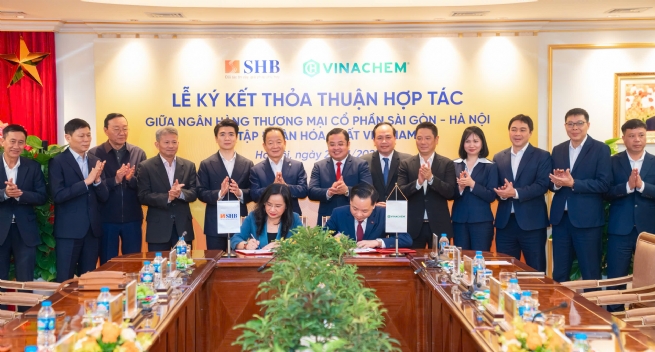
In 2025, profit rose 73%, the trade surplus reached US$300 million, and accumulated losses were fully cleared six months ahead of schedule. Vietnam National Chemical Group (Vinachem) is finalizing the cleanup of its balance sheet as it enters a new growth cycle.
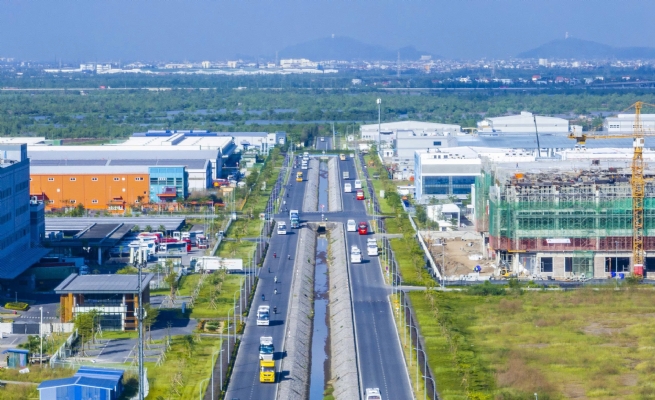
As the Hai Phong Free Trade Zone (FTZ) is expected to become a new growth pole in the North, the focus goes beyond policy design to how it is implemented in practice. Within this framework, DEEP C is emerging as an important operational link, helping turn infrastructure advantages into investment appeal as global supply chains undergo significant restructuring.
For more than 60 years, Vietnam’s journey of economic integration has gone hand in hand with the evolution of its most internationally oriented bank. Today, as foreign direct investment (FDI) continues to be a cornerstone of Vietnam’s growth story, Joint Stock Commercial Bank for Foreign Trade of Vietnam (Vietcombank) stands firmly at the forefront—setting the standard for how banks partner with foreign investors throughout the full investment journey.
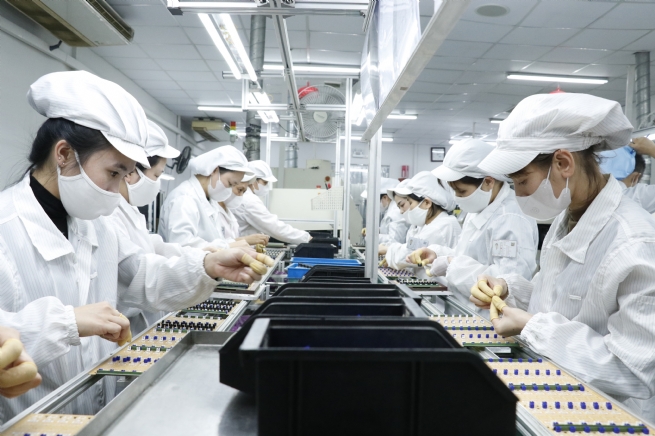
Amid the ongoing reconfiguration of global supply chains, Vietnam is seen as a key destination for foreign investment, particularly in electronics, high technology, and semiconductors.


 Vietnamese






