

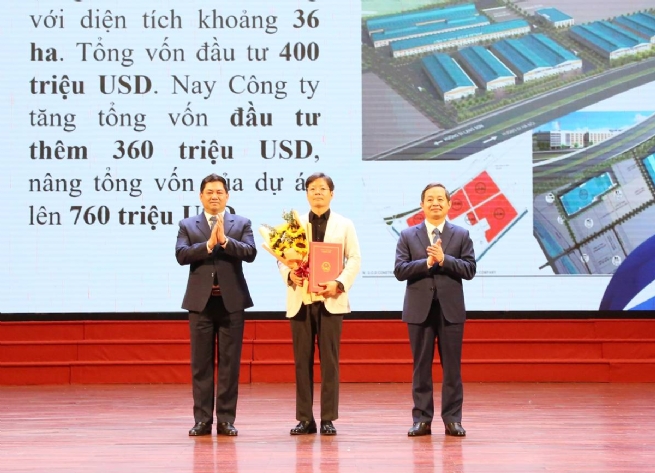
No longer pursuing quantity, industrial zones in Bac Ninh are shifting toward selective investment attraction, prioritizing high-tech and environmentally friendly projects.

As a major industrial hub, Bac Ninh is entering a new phase of development focused on high technology and innovation. According to Pham Van Thinh, Vice Chairman of the Provincial People’s Committee, completing infrastructure, advancing administrative reform, and improving workforce quality provide the foundation to reinforce Bac Ninh’s position as a strategic and trusted destination for investors.
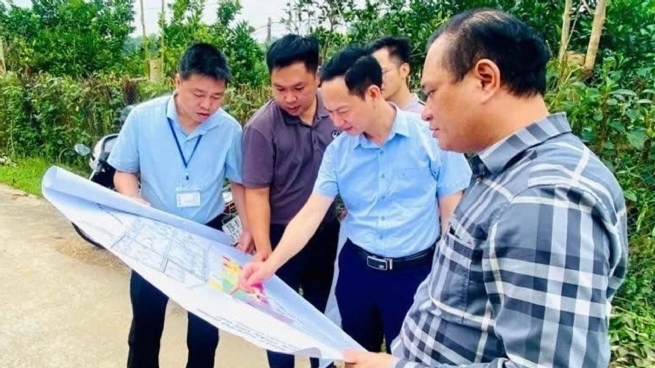
Under its development strategy for the 2025-2030 period, Lao Cai has identified transport infrastructure and industrial park and cluster infrastructure as key priorities to expand the province’s economic development space.
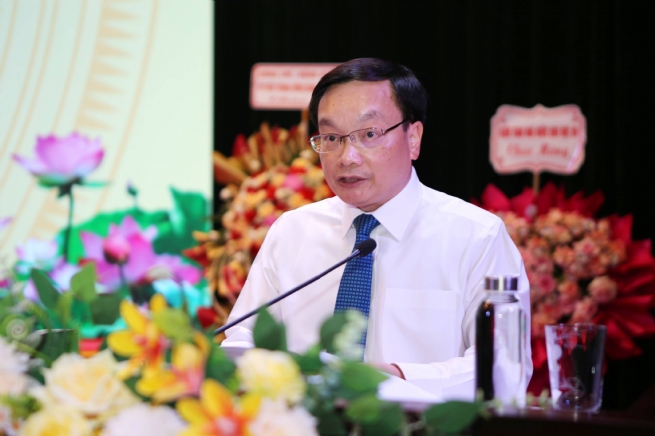
As Lao Cai enters a new stage of development with an expanded economic space and new growth drivers, improving the quality of investment attraction and enterprise development has become a key priority for the province.
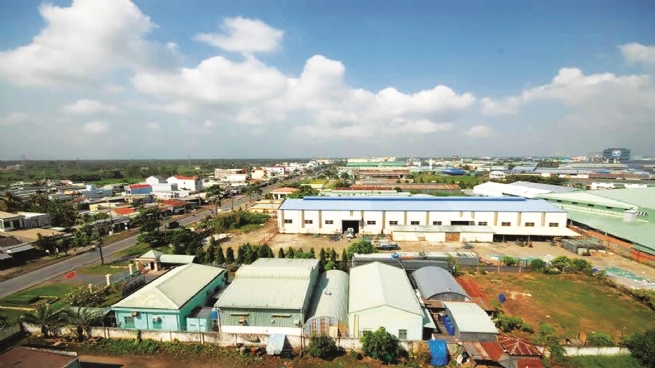
The Can Tho Export Processing and Industrial Zones Authority (CEPIZA) serves as the focal agency for industrial development, carrying out its state management responsibilities while acting as a reliable link between the government and the business community.

Vietnam is now ranked second among the top three destinations for Asia-Pacific CEOs planning outbound investment, just behind the U.S. and followed by China Mainland.
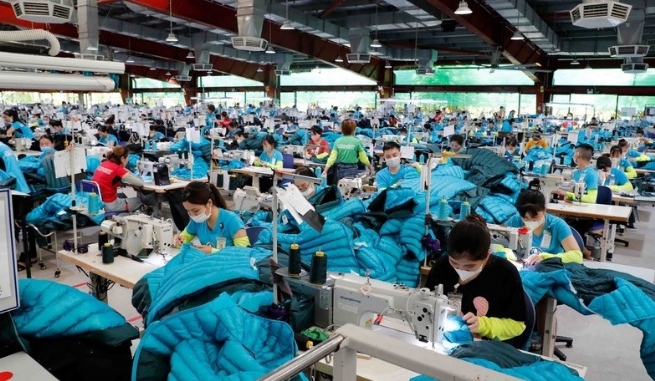
In February alone, the city secured 232.8 million USD in FDI. The figure included 37 newly licensed projects worth 5.6 million USD, nine existing projects with additional capital of 222 million USD, and 20 instances of capital contribution and share purchases by foreign investors totaling 5.2 million USD.
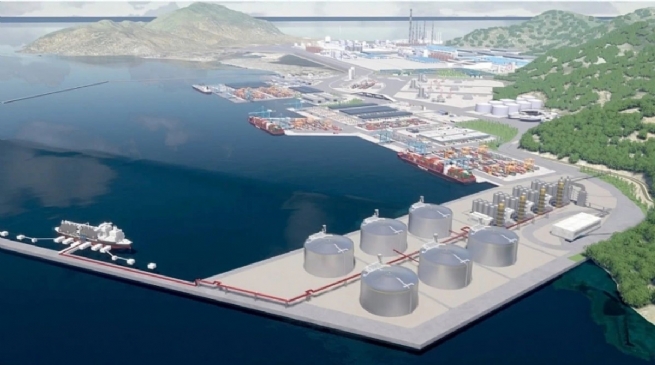
Amid continued volatility in the global economy, 2026 has been identified as a pivotal year for Vietnam to reposition its strategy for attracting foreign direct investment (FDI). FDI in 2026 will focus on high-quality capital flows with strong technology content, high value added, and broad spillover effects.
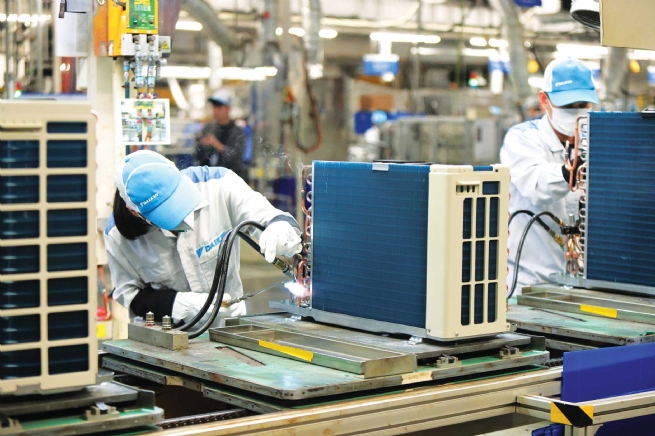
The Japan External Trade Organization’s fiscal year 2025 survey reported a notable figure: 67.5% of Japanese enterprises in Vietnam were profitable, the highest level in 16 years. However, behind this strong profit performance are persistent bottlenecks in administrative procedures and a growing shortage of human resources.
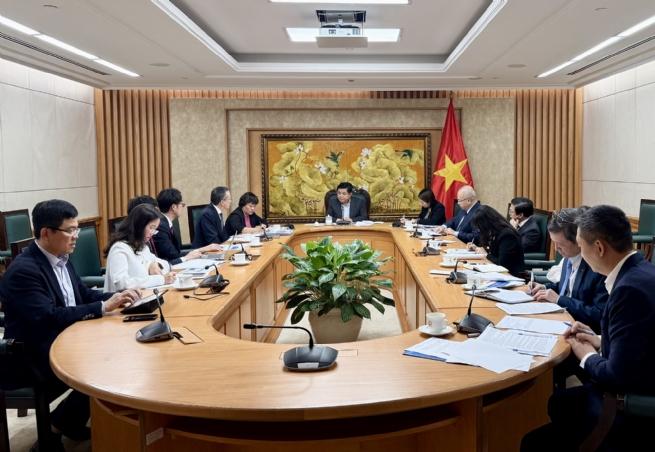
Amid a period of sharp divergence in global FDI flows, Japan has continued to maintain its position as a strategic investor in Vietnam. However, behind the strong business results, the day-to-day operations of enterprises have exposed a number of bottlenecks related to policies and human-resources.
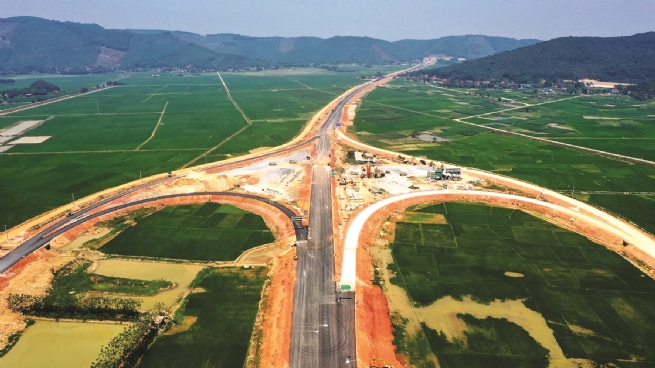
As of the end of November 2025, Vietnam’s public investment disbursement reached VND553,250 billion, equivalent to 60.6% of the plan assigned by Prime Minister Pham Minh Chinh. Completing 100% of the disbursement in 2025 remains a major challenge due to multiple factors affecting the spending pace.


 Vietnamese





