

10:47:39 AM | 3/17/2026

Lung Ngoc Hoang Nature Reserve is considered a “green lung” of significant ecological value for the Mekong Delta. The site has received direction from senior leaders, including former Prime Minister Vo Van Kiet, Prime Minister Pham Minh Chinh, and National Assembly Chairman Tran Thanh Man. Following the administrative boundary consolidation, Can Tho City’s authorities have continued to prioritize resources for Lung Ngoc Hoang, viewing it as a foundation for the region’s green and sustainable development strategy. For further perspective, our reporter interviewed Le Thanh Son, Deputy Director in charge of Lung Ngoc Hoang Nature Reserve.
 |
How do you assess the role of Lung Ngoc Hoang in the local ecological structure and green development strategy at present?
Lung Ngoc Hoang is widely regarded as a valuable “green lung” of the Mekong Delta and one of the few remaining wetland ecosystems that retains its relatively pristine condition and high biodiversity. The nature reserve currently conserves more than 330 plant species and 206 animal species, including many listed in the Vietnam and global Red Books, underscoring its distinct conservation significance.
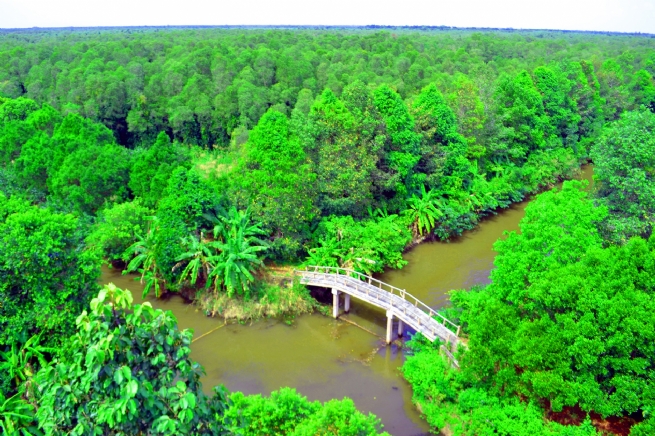
Located in Phuong Binh Commune, Lung Ngoc Hoang covers more than 2,800 ha, including melaleuca forests, swamps, and permanently inundated areas. It provides habitat for aquatic species, amphibians, and waterbirds, while also contributing to climate regulation, water resource management, erosion control, and salinity mitigation, thereby supporting ecological balance in the western Hau River area.
In Can Tho’s green development strategy, Lung Ngoc Hoang serves as both a key ecological reserve and a model that links conservation with socio-economic development. The former Hau Giang province approved an ecotourism project at the nature reserve to attract investment and create livelihoods through environmentally responsible tourism combined with education and scientific research activities.
In addition to preserving natural and historical assets, Lung Ngoc Hoang has become a component of sustainable green development, reinforcing the city’s ecological and socio-economic position within the region.
Could you share notable outcomes in conservation and biodiversity monitoring in recent years?
Lung Ngoc Hoang continues to sustain and enhance one of the most diverse ecosystems in the Mekong Delta, where nature, history, and human activity converge. Through long-term surveys and field assessments, the nature reserve has built a comprehensive biological database that provides a foundation for conservation, forest restoration, and ecological heritage management.
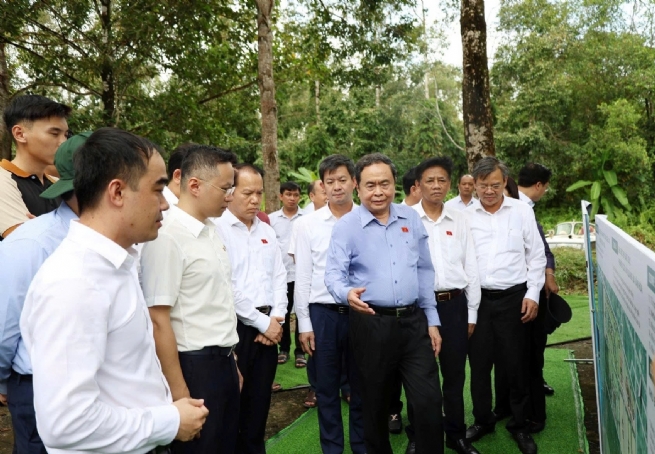
Since 2015, the nature reserve has documented 582 plant species, including 352 higher plant species, 57 fungal species, and 173 cyanobacteria and green algae species, along with 451 animal species covering fish, birds, spiders, insects, mollusks, benthic organisms, amphibians, reptiles, and mammals.
These data reflect significant biodiversity and demonstrate the effectiveness of scientific conservation and monitoring, supporting habitat restoration planning, wetland forest management, and ecotourism development. Regular data updates both protect natural heritage and serve as scientific and educational resources that strengthen community awareness and reinforce the value of the nature reserve.
How are you organizing your protection, restoration, and service zones?
Lung Ngoc Hoang implements a clearly defined functional zoning model that integrates strict conservation with ecosystem restoration and sustainable service, management, and scientific activities.
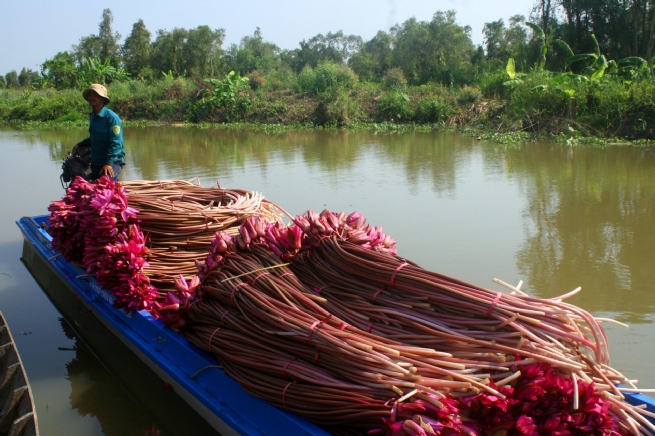
Lung Ngoc Hoang is a unique and attractive eco-tourism destination in the Mekong Delta
The strictly protected zone serves as the ecological core, characterized by high biodiversity, habitats for rare species, and intact wetlands. Activities are largely limited to monitoring and scientific research, with minimal human impact.
The restoration zone concentrates on regenerating forests, wetlands, and native vegetation, while allowing selected low-impact ecotourism activities in line with conservation principles.
The administrative and service zone comprises the management center, operational stations, and visitor facilities. It supports ecotourism, environmental education, and green experiences, while also creating livelihoods for local communities.
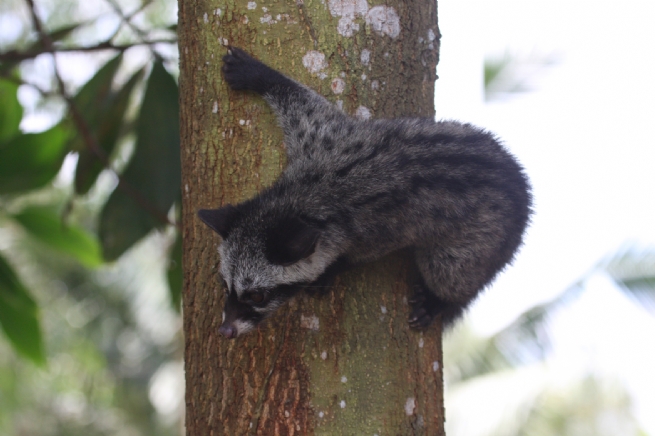
The nature reserve currently 206 animal species, including many listed in the Vietnam and global Red Books
This zoning structure enables Lung Ngoc Hoang to balance conservation with development, providing a foundation for research, education, and sustainable investment.
Recent camera trap systems and monitoring programs have recorded rare species; what is the significance of these findings for forest conservation and restoration strategy?
From the third and fourth quarters of 2025, camera trap systems and field monitoring programs at Lung Ngoc Hoang documented several rare species, including fishing cats, leopard cats, two otter species, and palm civets - species classified as threatened and prioritized for protection under the Vietnam Red Book.
The nature reserve currently 206 animal species, including many listed in the Vietnam and global Red Books
These findings indicate the effectiveness of habitat protection and restoration measures, showing that wildlife populations remain stable within melaleuca forests and natural wetlands despite pressures from climate change and human activity. The continued presence of rare species serves as an ecological indicator of the overall condition of wetland and swamp forest ecosystems.
Data collected from camera traps also support scientific planning, identification of priority habitats, refinement of restoration strategies, and appropriate resource allocation, while strengthening the basis for research funding and community awareness programs.
These results further confirm Lung Ngoc Hoang as a biodiversity hotspot of the Mekong Delta, contributing to ecological balance, conserving genetic resources, reinforcing wetland ecosystem resilience, and providing a foundation for future conservation, ecotourism, and environmental education initiatives.
What progress has been made in the operation of forest monitoring cameras, fire warning systems, and patrol plans?
Since early 2025, Lung Ngoc Hoang has deployed a fixed camera monitoring system integrated with observation towers, marking a clear advancement in forest management. The system enables early detection of abnormal heat sources and smoke, particularly during the dry season, reducing response time and limiting damage to melaleuca forests and wetlands. In addition to fire prevention, the cameras monitor illegal intrusion, hunting, and forest exploitation, and support risk assessment by location and time, shifting management from reactive response to preventive action.
Information from cameras, camera traps, and field surveillance helps identify “hot spots,” organize flexible patrols, optimize staffing, and improve control effectiveness. The nature reserve has strengthened inter-agency coordination and community engagement, turning buffer zone residents from management subjects into forest protection partners through patrol activities combined with environmental awareness programs. The management board is currently reviewing the expansion of advanced technology applications to strengthen prevention, biodiversity conservation, and the nature reserve’s role in sustainable ecological development across the Mekong Delta.
How do you view the potential for attracting investment into Lung Ngoc Hoang? What types of enterprises or ESG models are suitable for participation in developing this area?
Lung Ngoc Hoang features a distinctive wetland and melaleuca forest ecosystem typical of the Mekong Delta, largely intact and home to many rare wildlife species, creating strong appeal for experiential tourism and nature observation. Its convenient connectivity with Can Tho and the western river tourism corridor further strengthens its position as a high-quality ecological destination.
As mass tourism approaches saturation and demand increases for slower, greener, and more in-depth experiences, Lung Ngoc Hoang offers opportunities for responsible ecotourism investors while integrating scientific research, environmental education, and biodiversity conservation. Suitable ESG projects include environmentally responsible tourism linked to academic experiences; environmental education and research centers serving students and communities; and green investment initiatives that combine local livelihood development, ecosystem restoration, and biodiversity conservation.
These models generate socio-economic value while reinforcing Lung Ngoc Hoang’s role as a center for ecological heritage governance - balancing conservation with sustainable use and enhancing the Mekong Delta’s position on the domestic and international tourism and scientific landscape.
Thank you very much!
Ngo Khuyen (Vietnam Business Forum)





 Vietnamese





