10:15:02 AM | 6/12/2026

Under Resolution 43-NQ/TW of the Politburo, Da Nang is shifting from a tourism model based on resource exploitation to building a creative service ecosystem, where culture adds depth to the destination and serves as an internal driver of growth. Rather than relying solely on beaches, infrastructure, or large-scale events, the city is redefining its competitive strategy through culture, identity, and visitor experiences. To explore this direction, our reporter spoke with Truong Thi Hong Hanh, Director of the Department of Culture, Sports and Tourism of Da Nang.
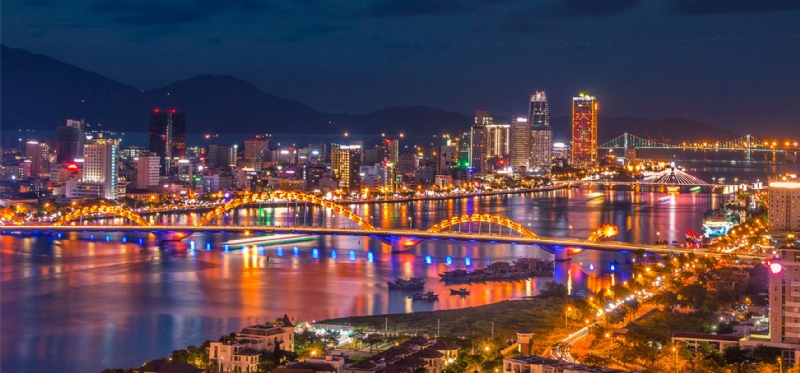
Da Nang is tapping the potential of the night-time economy while expanding cultural tourism experiences
How is Da Nang turning culture into a driver of economic growth?
This strategy first took shape through a shift in development thinking: culture is no longer viewed solely as a means of preserving identity, but also as an internal resource for the urban economy, particularly in Da Nang’s service, tourism, and creative industry sectors.
Resolution 33-NQ/TW sets out the goal of building and developing Vietnamese culture and people to support the country’s sustainable development, while Resolution 43-NQ/TW envisions Da Nang as a high-quality tourism and services hub, a livable coastal city with a distinctive identity and international competitiveness. Together, these directions mean that Da Nang’s challenge is no longer simply preserving cultural values, but transforming those values into products, services, experiential spaces, and markets.
The city has translated this vision into action through Decision 1460/QD-UBND approving the project “Development of Da Nang’s Cultural Industries Through 2030” and Plan 185/KH-UBND on implementing cultural industry development. Da Nang is targeting average annual growth of around 10% to 11% for its cultural industries while gradually increasing their contribution to GRDP.
For tourism, this means shifting from resource-based development to experience creation. Beaches, infrastructure, hotels, the Da Nang International Fireworks Festival, and resort services remain important advantages, but they can only deliver long-term competitiveness when integrated into a broader cultural ecosystem that includes year-round festivals, the night-time economy, creative spaces, performing arts, local cuisine, digital museums, souvenir products, urban storytelling, and interactions between local residents and visitors.
As Da Nang targets 19.1 million visitors in 2026, how is the tourism sector encouraging longer stays and higher spending?
In the coming period, the tourism sector will focus on improving visitor quality by integrating culture into tourism experiences, with the goal of extending average stays to three to four days.
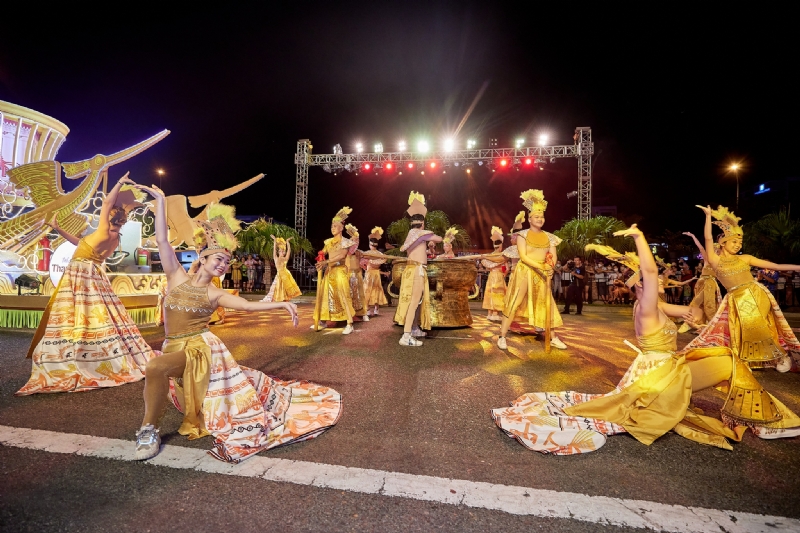
One key solution is the development of interconnected event ecosystems. A clear example is the Da Nang International Fireworks Festival. Since adopting a socialized investment model sponsored by Sun Group in 2017, the event has evolved into a multi-week festival season featuring food spaces and street performances.
Other groups, including Vinpearl and Viet An Group, have also been developing culturally rooted tourism products with distinctive identities. These efforts add depth and new points of differentiation to the city’s tourism offerings while enhancing Da Nang’s attractiveness as a destination.
At the same time, the city is expanding the value chain linked to heritage and eco-tourism. Cultural events such as Hoi An Ancient Town by night and the Sua Flower Festival at Huong Tra Ecological Village, together with modern programs such as Ao Dai Festival 2026 and DaWave International Beach Music Festival 2026, are creating a more continuous visitor experience. This approach helps generate greater community value while encouraging spending on entertainment and shopping services.
Within Da Nang’s smart city strategy, how are technology and data being integrated into cultural services?
Digital technologies are a strategic tool for transforming both management practices and the commercialization of heritage assets.
First, Big Data systems are being used for two parallel purposes: continuously monitoring environmental conditions such as temperature and humidity to preserve artifacts, while also analyzing visitor behavior to optimize travel routes and personalize services.
Second, AR and VR technologies at sites such as the Museum of Cham Sculpture are bringing historical settings to life in ways that static artifacts alone cannot fully achieve.
Most importantly, when heritage data is digitized in 3D and made available through managed access, it helps create an open creative ecosystem. Technology and design businesses can directly apply Cham Pa symbols and patterns in fashion, handicrafts, and local branding. This is one of the most practical ways of transforming cultural resources into digital economic value.
What is the long-term vision behind Da Nang’s destination positioning strategy?
Da Nang is pursuing a development path that combines strong integration with the preservation of its unique identity. In this new phase, the city’s position must be built on more than visible advantages such as infrastructure and natural landscapes.
When cultural industries and data-governance systems operate in harmony, we aim to create a destination that offers a dynamic lifestyle, a safe environment, and high-quality service ecosystems. Making culture an internal driver of growth not only contributes directly to economic expansion, but also provides a strong foundation for enhancing Da Nang’s position and strengthening the city’s international soft power.
Thank you very much!
By Bac Ha, Vietnam Business Forum