Tien Thang Commune in Hanoi is improving infrastructure, supporting livelihoods, enhancing the environment, and expanding digital services to foster rural development.
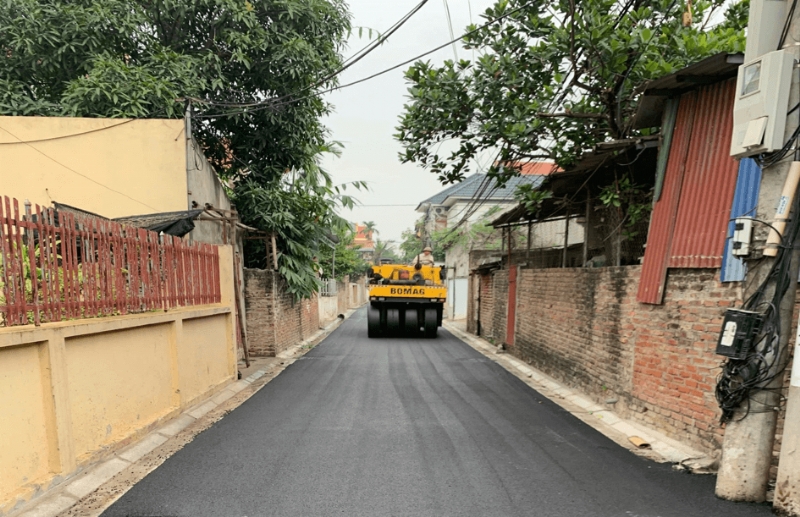
Many rural roads in Tien Thang Commune have been upgraded, facilitating local economic development
Upgraded transport links connecting production areas and the irrigation system have improved the transport of agricultural products, irrigation, and flood prevention. Alongside policy credit supporting employment, clean water, and environmental sanitation, community spaces and the “Digital Village” model are gradually meeting residents’ practical needs.
Infrastructure Paves the Way for Production
Tien Thang benefits from connections to Me Linh Main Road, Provincial Road 308, and Provincial Road 312. The commune is upgrading its road network, from main roads to inter-village roads, alleys, and production areas, including the route connecting Road 23B with Chu Phan Port, the Tam Dong-Tien Thang road, and the route connecting to the Tien Thang-Tu Lap road. As roads extend into farming areas, the transport of inputs and collection of agricultural products become more convenient, helping reduce costs and expand markets.
Alongside transport infrastructure, the Thanh Phu Canal, main Tam Bao Canal, and field canals are being upgraded, dredged, and reinforced. Water-regulation facilities and pumping stations have also been repaired to improve water supply and drainage, reduce flooding, and limit water losses for production.
In 2026, the commune is implementing 22 projects across various fields, with total investment of nearly VND494 billion (US$19 million). During 2026-2030, the commune plans to implement three major transport projects and 25 projects to upgrade roads and village alleys, with total investment of about VND2.7 trillion (US$103.8 million). This level of investment requires close oversight of project progress, quality, site clearance, and post-investment operating efficiency.
Capital Supports Livelihoods
Infrastructure provides the foundation for development, but access to capital helps residents expand production and create jobs. In the first six months of 2026, funding from the Vietnam Bank for Social Policies supported 225 borrowers, helping create and maintain jobs for 225 workers. A total of 140 households received loans to renovate or build 140 clean-water and rural sanitation facilities.
As of June 30, 2026, outstanding entrusted loans through socio-political organizations reached VND207.347 billion (US$7.98 million), serving 2,795 customers. Of 70 savings and credit groups, 69 were rated good. The commune provided training for group management boards and three mass organizations receiving entrusted funds, while promoting greater use of bank transfers and information technology to make services more convenient for residents.
The funding is being directed to specific new rural development needs: employment, clean water, environmental sanitation, and production expansion. However, credit effectiveness is not measured solely by outstanding loan balances. Guidance on proper use of funds, monitoring repayment capacity, and helping borrowers access technical know-how and product markets are essential to turning policy credit into stable livelihoods.
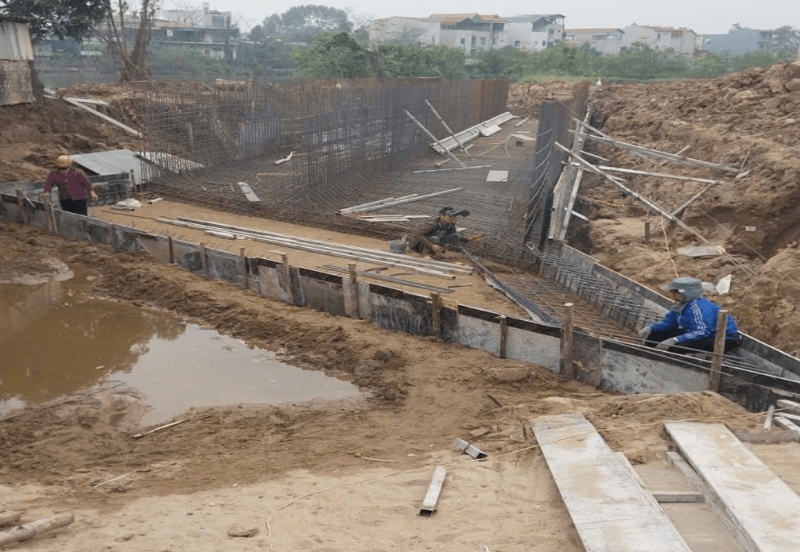
Transport and irrigation infrastructure development is key to unlocking new opportunities for the commune
Fostering Rural Development and Quality of Life
Alongside investment in production, Tien Thang is improving its landscape and expanding community spaces. Three projects have been completed: Van Loi Stadium, Thai Lai Village sports field, and a green space and park next to the commune Party Committee headquarters. Phu My Park and the central sports field in Bach Tru Village are being completed with sidewalks, greenery, lighting, and equipment.
Projects being prepared for investment include landscaping the Thai Lai Temple grounds, renovating two ponds and lakes in Bach Tru Village, and upgrading five stadiums in Bach Tru, Thanh Lam, Yen Bai, Tu Lap, and Ngoc Tri. After renovation, the ponds and lakes are expected to include greenery, walking paths, and landscaping, while sports facilities will be supplemented with recreational areas and open spaces. To ensure long-term benefits, management and maintenance responsibilities and residents’ participation should be defined when the facilities are put into use.
In early 2026, Tien Thang Commune exchanged experience with Dan Phuong Commune on village landscaping, creating bright-green-clean-beautiful environments, mobilizing social resources, and developing self-management models. These experiences need to be adapted to the resources and characteristics of each village to avoid scattered implementation or an overly formal approach.
Digital Services for Rural Development
A new initiative in Tien Thang is the pilot “Digital Village” model in Thanh Van Village. Residents are supported in accessing online public services at the village cultural center. The community digital technology team provides guidance on using VNeID, cashless payments, electronic tax filing, and QR codes for production and business.
Digital transformation in rural areas only delivers value when it helps residents save time and reduce the cost of completing procedures while expanding business opportunities. The model should therefore be assessed based on the number of regular users, online applications, and satisfaction levels, rather than simply the number of accounts created or outreach sessions held.
From transport and irrigation to credit, green spaces, and digital services, Tien Thang is improving the quality of new rural development. The next step is to ensure that every project, funding source, and model operates effectively, meets genuine needs, and creates new development opportunities for residents. This is the true measure of new rural development.
|
This special section is presented in collaboration with the Hanoi Coordination Office for National Target Programs |
By Bao Dan, Vietnam Business Forum